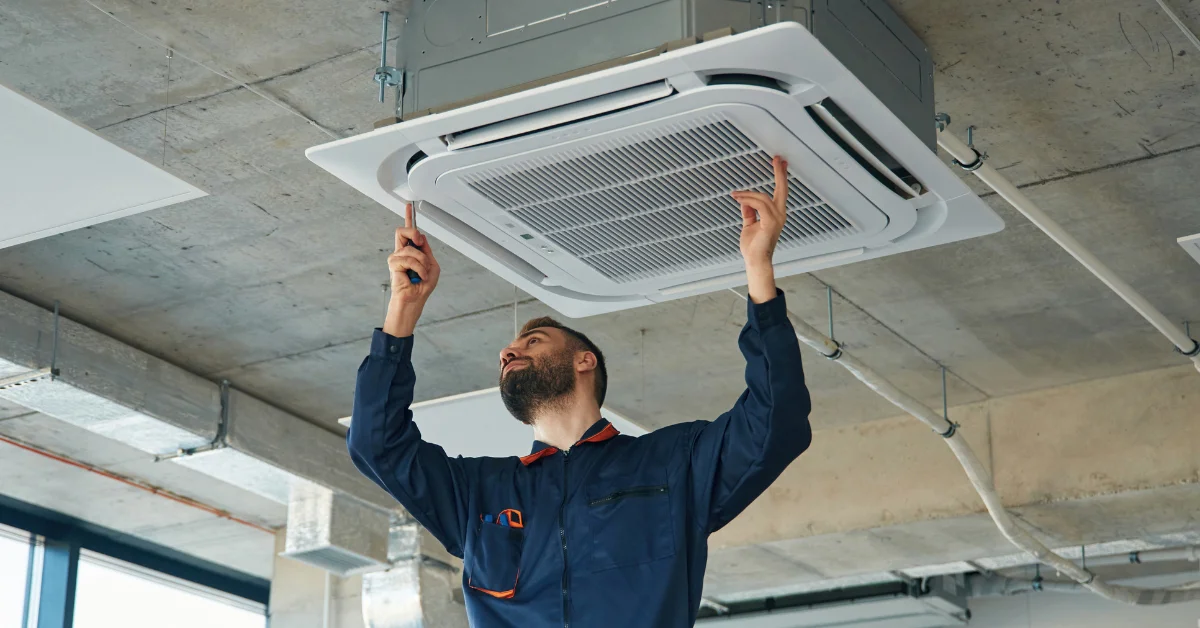
Triple-digit temperatures can put serious strain on commercial cooling systems, especially in large buildings that rely on consistent indoor comfort to keep operations running smoothly. When HVAC systems are pushed to their limits, small issues can quickly turn into costly downtime or uncomfortable conditions for staff and customers.
If your building is starting to struggle in the heat, now is the time to act before minor issues become major disruptions. Schedule support through our contact page.
R&R Refrigeration & Air Conditioning, Inc. helps commercial properties stay ahead of the demands of extreme weather with dependable HVAC and refrigeration support.
Why Extreme Heat Impacts Commercial HVAC Systems
When temperatures rise into the triple digits, HVAC systems don’t just work harder—they run longer and more frequently. This constant demand can expose weak points in the system.
Common stress points include:
- Dirty air filters are restricting airflow
- Overworked compressors are trying to keep up
- Low refrigerant levels reduce cooling power
- Blocked or dirty condenser coils are trapping heat
Even small inefficiencies can snowball when systems run nonstop during peak summer months.
Simple Maintenance That Prevents Big Problems
Routine maintenance is one of the most effective ways to keep systems stable during extreme heat. It doesn’t need to be complicated, but it does need to be consistent.
Key maintenance steps include:
- Replacing or cleaning air filters regularly
- Checking thermostat accuracy
- Inspecting ductwork for leaks or blockages
- Cleaning outdoor condenser units
These steps help the system breathe easier and reduce strain during the hottest days of the year.
Warning Signs Your System Is Under Stress
Commercial HVAC systems usually give early warning signs before a full breakdown happens. Recognizing them early can help prevent downtime.
Watch for:
- Uneven temperatures across rooms or floors
- Longer cooling cycles than normal
- Strange noises from rooftop units or vents
- Higher-than-usual energy bills
If any of these signs appear, it’s important to have the system checked before the issue escalates.
Why Refrigeration and HVAC Work Together in Commercial Buildings
In many facilities—especially restaurants, grocery stores, and warehouses—HVAC and refrigeration systems work side by side. When one system struggles, it can affect the entire operation.
For example:
- Heat buildup can strain refrigeration compressors
- Poor airflow can impact cold storage efficiency
- Overworked systems increase overall energy use
That’s why coordinated maintenance across both systems matters for long-term performance.
Simple Ways to Reduce Heat Strain During Peak Summer
Building managers can take small steps to reduce stress on HVAC systems during extreme heat without major upgrades.
Helpful strategies:
- Keep doors and loading bays closed when possible
- Schedule high-heat equipment use during cooler hours
- Use blinds or window coverings to reduce solar heat gain
- Ensure rooftop units are clear of debris and obstructions
These adjustments help stabilize indoor temperatures and reduce system load.
Supporting San Jose Commercial Buildings in Extreme Weather
R&R Refrigeration & Air Conditioning, Inc. works with commercial properties across San Jose to help manage HVAC performance during peak summer conditions. From diagnostics to system optimization, the goal is to reduce breakdown risk and support consistent operation.
Whether you’re managing an office building, retail space, or food service facility, proactive service can make a significant difference during extreme heat waves.
For assistance or scheduling, reach out online or call (408) 916-1352.